What Is a Graphic Designer? Roles and Responsibilities
What Is a Graphic Designer? Roles and Responsibilities
A graphic designer is a person who uses creativity, images, colors, text, and design ideas to communicate a message. We see graphic design almost everywhere in our daily life. From company logos and social media posts to advertisements, websites, product packaging, and posters, graphic designers help make information look attractive and easy to understand.
The main job of a graphic designer is to turn an idea into a visual design. A business may need a logo, a company may want a social media advertisement, or a website may need attractive graphics. The designer understands the requirement and creates a design that matches the purpose of the project. A good designer does not only focus on making something beautiful. They also make sure that the design communicates the right message.
Graphic designers have several responsibilities. One of their important tasks is understanding what the client or company needs. They may discuss the project, target audience, preferred style, colors, and other requirements before starting the design. After that, they create ideas and prepare different design concepts.
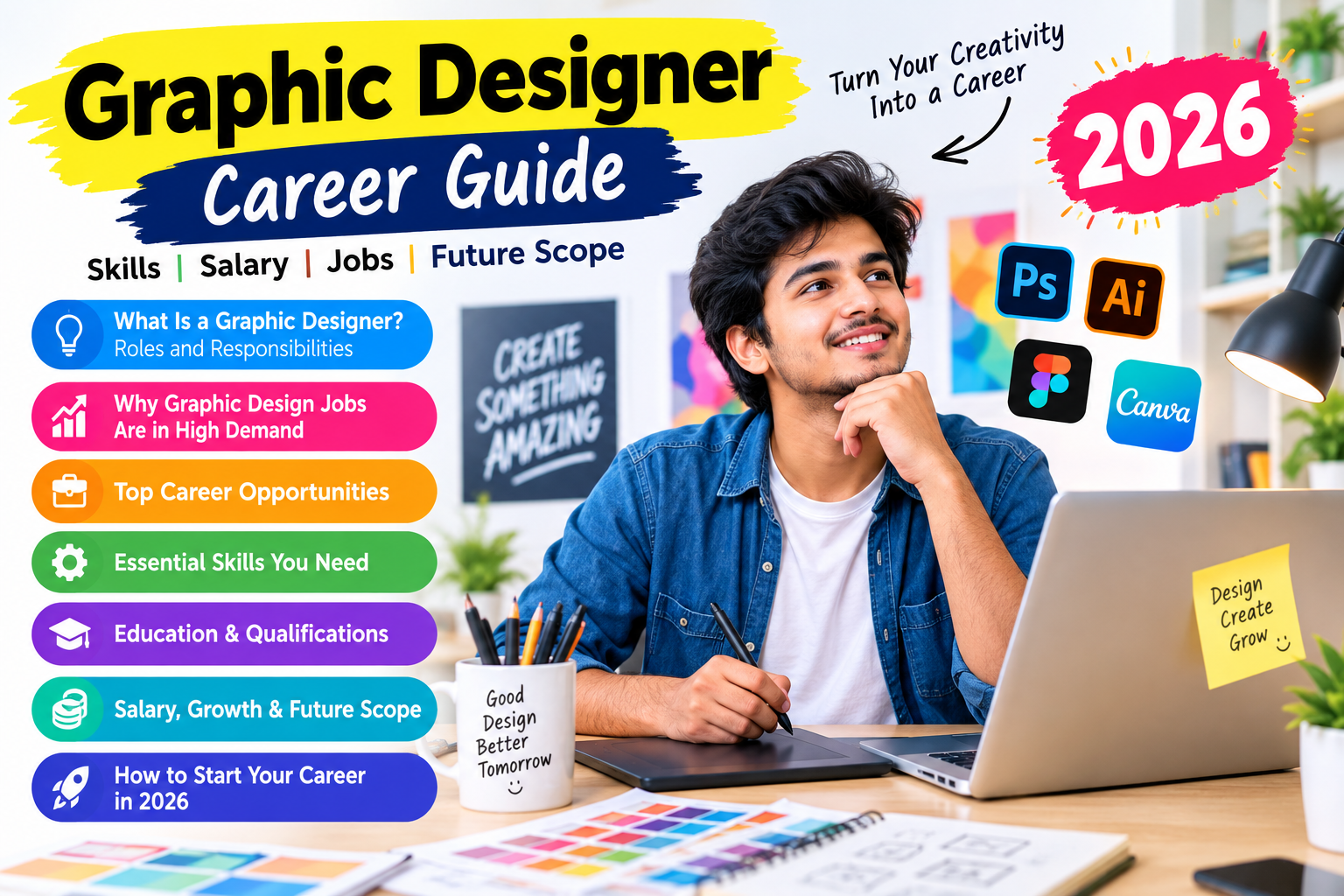
Designers also work with tools such as Adobe Photoshop, Illustrator, Canva, Figma, and other graphic design software. They use these tools to edit images, create illustrations, arrange text, and build complete visual designs. Sometimes, they need to make changes based on feedback from clients or team members.
Another important responsibility is maintaining consistency. For example, a company may use specific colors, fonts, and design styles across its website, advertisements, and social media pages. The graphic designer helps keep the brand’s visual identity consistent.
A graphic designer may work with marketing teams, website developers, content writers, photographers, or business owners. They need good communication skills because understanding other people’s ideas is an important part of the job.
Overall, graphic design is a creative career that combines imagination with practical skills. A successful graphic designer needs creativity, patience, attention to detail, and a willingness to learn new design trends and tools.
Why Graphic Design Jobs Are in High Demand in 2026
Graphic design has become an important part of modern business. In 2026, almost every business needs attractive visuals to connect with customers. Companies use designs for websites, social media, advertisements, mobile apps, product packaging, and many other things. Because of this growing need, graphic design has become a popular career option for creative people.
One major reason for the demand is the growth of social media. Businesses are posting content on platforms like Instagram, Facebook, YouTube, and LinkedIn to promote their products and services. Good images, banners, thumbnails, and advertisements can help a business get more attention. Graphic designers create these visuals and help brands present themselves in a professional way.
The growth of online shopping is another reason why graphic designers are needed. E-commerce businesses require product images, promotional banners, logos, packaging designs, and other visual content. As more businesses move online, the need for creative design work also increases.
Websites and mobile applications also depend on good design. A website should look clean and easy to use so visitors can understand the information quickly. Graphic designers often work with web developers and marketing teams to create attractive visual elements for digital platforms.
Another advantage of graphic design is that people can work in different ways. Some designers work full-time for companies, while others choose freelancing or remote work. Freelance designers can work with clients from different cities or countries. This gives skilled designers more opportunities to find projects and build their careers.
Businesses also understand that a strong visual identity can make them easier to remember. A well-designed logo, color combination, and overall brand style can create a professional image. This is why companies are willing to hire skilled designers who can understand their ideas and turn them into useful designs.
Overall, graphic design jobs are in high demand in 2026 because businesses are becoming more digital and visual. For someone who enjoys creativity, technology, and learning new tools, graphic design can be a rewarding career with many opportunities.
Top Career Opportunities for Graphic Designers
Graphic design is a creative field with many career options. A person who learns design skills can work in different industries instead of staying limited to one type of job. As businesses are using more digital content, the demand for creative designers has also increased. There are several career paths that beginners can explore after building good design skills.
One popular option is becoming a Graphic Designer in a company or design agency. In this role, designers create logos, posters, brochures, advertisements, social media graphics, and other visual materials. They usually work with marketing teams and clients to understand their requirements.
Another good career option is UI/UX Design. UI designers focus on how websites and mobile apps look, while UX designers think about how easy and comfortable they are to use. People with an interest in both creativity and technology can find this field interesting.
Brand Identity Design is another career path. Brand designers help companies create a unique visual identity. They may work on logos, colors, fonts, packaging, and other materials that represent a brand. Their designs help businesses create a clear and professional image.
Graphic designers can also work as Social Media Designers. Many companies need attractive posts, advertisements, banners, and promotional graphics for their social media pages. This job can be a good choice for people who enjoy creating fresh and modern content.
Motion Graphics Design is also becoming an interesting field. Motion graphic designers create animated visuals, short videos, advertisements, and other moving content. This area is especially useful for digital marketing and video content.
Another flexible option is Freelancing. Freelance graphic designers can work with different clients and choose projects according to their skills. They can work from home and build a portfolio by completing projects for businesses, creators, and online brands.
Overall, graphic design offers many career opportunities. A person can choose a path based on their interests, skills, and career goals. With regular practice, a strong portfolio, and a willingness to learn, graphic designers can build a successful career in both traditional and digital industries.
Essential Skills Every Graphic Designer Needs
Graphic design is not only about making beautiful pictures. A good graphic designer needs creativity, technical knowledge, and the ability to understand what people want. Building the right skills can help a designer create better work and find more career opportunities.
Creativity is one of the most important skills for a graphic designer. Designers often need to create fresh ideas for logos, posters, advertisements, websites, and social media posts. Being creative helps them make designs that look different and attract attention.
Knowledge of design software is also important. Designers should learn tools such as Photoshop, Illustrator, Figma, or Canva. They do not need to master every software at once, but having a good understanding of commonly used tools can make their work easier and faster.
A designer should also understand colors, fonts, shapes, and layouts. Choosing the right combination can make a design look clean and professional. Small details can make a big difference, especially when creating designs for businesses and brands.
Communication skills are useful because designers often work with clients, writers, marketers, and developers. They need to understand the client’s idea and explain their own design choices clearly.
Another important skill is attention to detail. A small spelling mistake, wrong color, or poor alignment can affect the quality of a design. Designers should always check their work carefully before delivering it.
Finally, a good graphic designer should be willing to learn and improve. Design trends and software keep changing, so regular practice is important.
With creativity, technical skills, communication, and patience, anyone with a strong interest in design can develop into a capable graphic designer.
Education and Qualifications Required for Graphic Design
Graphic design is a career where skills and creativity are often more important than having a long list of degrees. However, proper education can help beginners understand the basics of design and build confidence. There are different ways to learn graphic design, so students can choose an option according to their goals and budget.
A basic school education is enough to start learning graphic design. Students who have an interest in drawing, computers, photography, or creative work can begin developing their skills from an early stage. Good communication and basic computer knowledge can also be helpful.
After school, students can choose a degree or diploma course in graphic design. Courses such as Bachelor of Fine Arts, Bachelor of Design, or diploma programs in graphic design can teach important topics like typography, color theory, illustration, branding, layout, and digital design. These courses can also give students opportunities to work on practical projects.
A college degree is not always necessary to become a graphic designer. Many successful designers learn through online courses, tutorials, workshops, and regular practice. Online learning can be useful for people who want to learn at their own pace. Beginners can start with basic tools and slowly move toward more advanced software.
Learning graphic design software is another important part of the qualification. Students should become comfortable with tools such as Adobe Photoshop, Illustrator, Figma, or Canva. The choice of software may depend on the type of design work they want to do.
One of the most important things for getting a graphic design job is a strong portfolio. A portfolio shows what a designer can actually create. It can include logos, posters, social media designs, website layouts, advertisements, and personal projects.
Overall, there is no single educational path required for graphic design. A degree can provide structured learning, while online courses and self-practice can also build useful skills. With creativity, technical knowledge, practical experience, and a good portfolio, beginners can move toward a successful career in graphic design.
Graphic Designer Salary, Career Growth, and Future Scope
Graphic design can be a good career choice for people who enjoy creative work and technology. The salary of a graphic designer can be different for every person. It usually depends on skills, experience, location, type of company, and the kind of design work they can handle. Beginners normally start with smaller projects, while experienced designers can earn more by working on important brand and marketing projects.
A beginner graphic designer may start with basic work such as social media posts, banners, posters, simple logos, and image editing. At this stage, building practical experience is more important than focusing only on salary. As designers improve their skills and create a strong portfolio, they can apply for better positions and higher-paying projects.
With experience, a graphic designer can move into roles such as senior graphic designer, art director, brand designer, UI designer, or creative designer. Some professionals also become team leaders and manage other designers. Learning additional skills can make career growth easier because companies often look for designers who can handle different types of projects.
Freelancing is another way to grow in this field. Freelance designers can work with clients from different locations and take projects according to their skills and availability. Some designers also build their own small design businesses or work with agencies.
The future scope of graphic design is closely connected with the growth of digital media. Businesses need visual content for websites, social media, advertisements, apps, online stores, videos, and digital campaigns. This creates opportunities for designers who understand modern digital platforms.
Technology and AI tools are also changing the design industry. However, creative thinking, understanding a client’s needs, and making useful design decisions still require human judgment. Designers who learn new tools and continue improving their creative skills can stay competitive.
Overall, graphic design offers different paths for career growth. A person does not have to follow only one direction. With regular practice, a good portfolio, professional communication, and continuous learning, a graphic designer can build a stable career and explore opportunities in companies, agencies, freelancing, and digital businesses.
How to Start a Career as a Graphic Designer in 2026
Starting a career in graphic design in 2026 can be a good choice for people who enjoy creative work. You do not need to be an expert from the beginning. With regular practice, the right tools, and some patience, you can slowly build the skills needed to work as a professional graphic designer.
The first step is to learn the basics of graphic design. Start by understanding colors, fonts, shapes, spacing, layouts, and basic design principles. These things may look simple, but they play an important role in making a design look clean and professional. Free videos, online courses, and design tutorials can help beginners learn these basics.
Next, choose a few design tools and practice them regularly. Beginners can start with Canva because it is simple to understand. Later, they can learn professional software such as Adobe Photoshop, Illustrator, or Figma. You do not need to learn every tool at the same time. It is better to become comfortable with one or two tools first.
After learning the basics, start creating your own designs. You can make sample logos, posters, social media posts, banners, business cards, or website designs. Do not worry if your first designs are not perfect. Practice is one of the best ways to improve your creativity and understand what works.
The next important step is to build a strong portfolio. A portfolio is a collection of your best design work. You can create a simple online portfolio or use platforms where designers can showcase their projects. A good portfolio can help potential clients or employers understand your skills.
You can then look for internships, entry-level jobs, or freelance projects. Freelancing is useful for beginners because it gives them real experience and helps them learn how to communicate with clients. Start with small projects and slowly take on more challenging work.
Finally, keep learning. Design trends, software, and digital platforms continue to change. Follow other designers, practice new styles, and learn from feedback.
In 2026, a successful graphic design career is possible with creativity, consistent practice, a useful portfolio, and a willingness to improve. You do not have to become perfect overnight. Start small, keep learning, and build your skills step by step.